
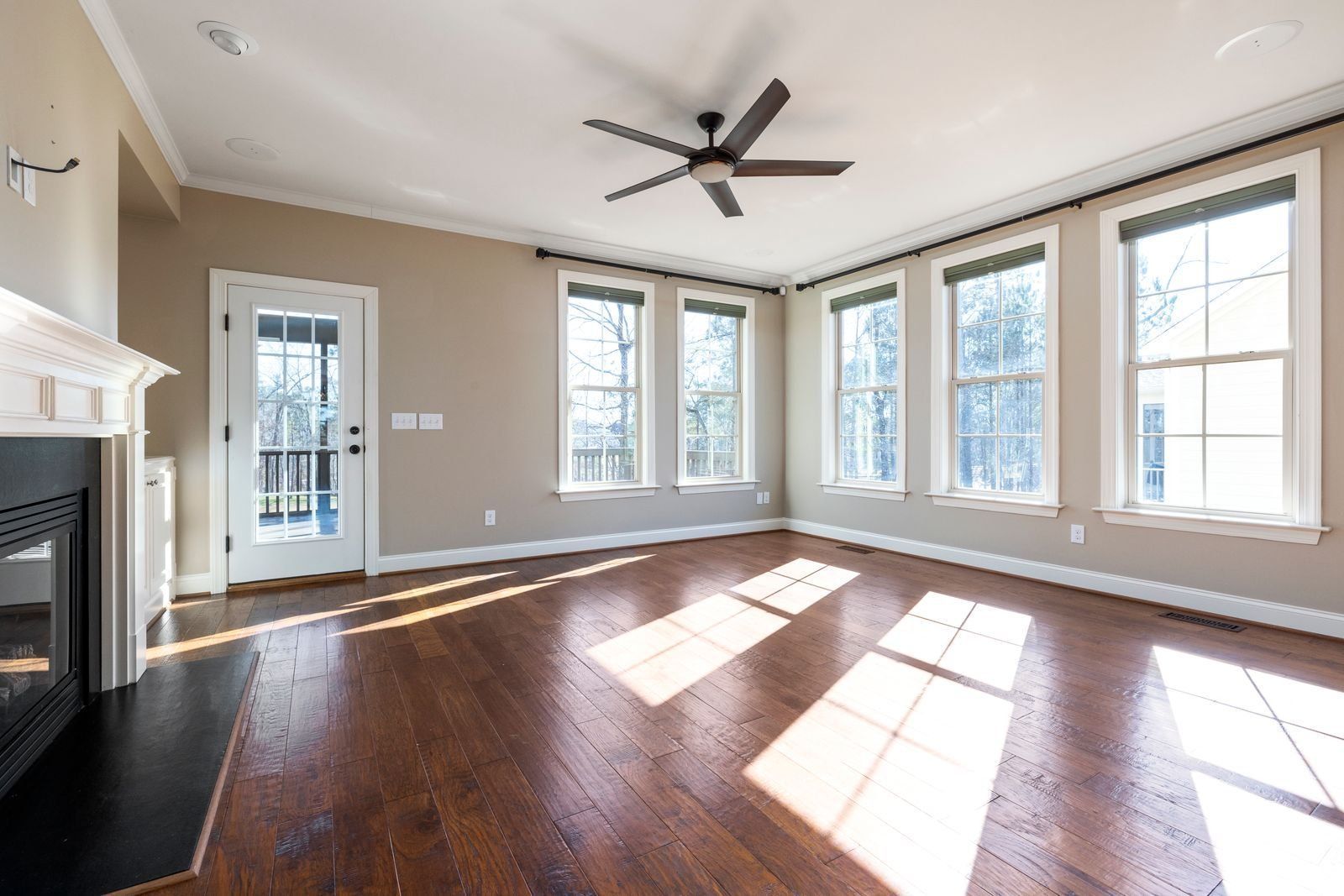
When you inherit a home, it is easy to look around and see a project everywhere: older flooring, dated cabinets, a garage full of belongings, landscaping that needs attention. Before you approve a renovation, it helps to ask a more useful question: Which preparation plan makes sense for this property and this family?
For an inherited home in Chino, Chino Hills, Ontario, Corona, or Rancho Cucamonga, I would compare the likely costs, timing, and practical demands of several options. A higher potential sale price is only one part of that conversation.
1. Start with the authority and the home’s condition
Confirm who can approve work and sign sale documents before committing estate or trust funds. If the home is in probate, the representative’s authority can affect required notices and court involvement. Have the attorney confirm the applicable process before relying on a proposed closing schedule. The California Superior Court’s estate administration guide explains why those details matter.
Next, establish what you actually know about the property. Separate visible cosmetic wear from possible maintenance or safety issues. Water staining, aging electrical equipment, or structural concerns deserve appropriate professional evaluation before you decide how to market or prepare the home.
Also account for occupancy and personal belongings. A preparation schedule should allow for authorized access and thoughtful decisions about the contents.
2. Understand what selling as-is means
An as-is strategy generally means offering the home in its existing condition rather than promising a package of improvements. You can discuss marketing it openly in that condition; the choice does not automatically limit you to a direct cash buyer.
The details still depend on the purchase contract, the property’s condition, and the buyer’s financing. A buyer may have inspection rights or request changes under the agreed terms. As-is language does not automatically remove applicable disclosure duties. The California Association of REALTORS® guide to as-is clauses addresses those limits. Your agent and attorney should confirm the forms and any estate-specific exemptions that apply.
This route may appeal when the family wants to limit advance spending or cannot supervise extensive work. We would still review pricing, presentation, likely buyers, and the terms of each offer.
3. Give focused preparation a fair comparison
There is room between selling exactly as the home stands and undertaking a full renovation. A limited preparation plan might include a professional cleaning, approved removal of unwanted items, landscaping maintenance, or selected cosmetic touch-ups.
The goal is to make the property easier to understand and show while keeping the scope controlled. I would look at nearby comparable properties and the home’s actual condition before suggesting where to spend.
Ask for written estimates and a clear scope. Identify who approves changes, who checks completion, and what happens if work takes longer than expected. Any safety issue or required repair should be evaluated separately from optional improvements. Cosmetic work should never conceal a problem.
4. Treat renovation as a decision, not a default
A larger renovation can introduce permits, contractor scheduling, additional carrying costs, and decisions the family did not expect to make. It may be appropriate for a particular home, but it should earn its place in the plan.
Before approving it, ask:
- What specific buyer concern would this work address?
- What do written professional estimates include and exclude?
- How will delays or unexpected conditions affect the budget?
- Who has authority, time, and local availability to oversee the project?
- What evidence supports the estimated sale price after completion?
An updated home across town is not enough evidence by itself. Location, size, layout, lot, condition, and other differences all matter when comparing properties. No improvement comes with a guaranteed return.
5. Compare estimated net proceeds and time
Place three scenarios side by side: sell in the present condition, complete focused preparation, or renovate more extensively. For each, consider a supportable sale-price range and subtract estimated preparation costs, selling expenses, outstanding loan balances, and carrying costs through the projected closing.
Keep assumptions visible. A contractor quote is different from an allowance, and a possible sale price is different from an accepted offer. Use a reasonable reserve for uncertainty rather than treating the most optimistic outcome as the plan.
Then consider the family’s priorities. How much cash can be committed? How much supervision is realistic? Would a longer preparation period create strain? Have your tax professional review the potential tax consequences separately; a preliminary proceeds estimate is not a tax calculation.
6. Choose a plan you can carry through
The right preparation strategy should fit the home, the legal process, and the people making the decision. You do not need to decide on a kitchen renovation before having a conversation about the property.
I can help you review the local competition, compare preparation options, and build a real estate plan with clear next steps. Start with what you know about the home, and we can identify what needs a closer look.
Talk with Lolo about selling your inherited Inland Empire home.
This article offers general real estate information. Your estate or trust attorney and tax professional can advise on legal authority, disclosures, and tax treatment for your circumstances.